The Rise of CNAPP: Unifying Cloud Security and Eliminating Toxic Combinations in 2026
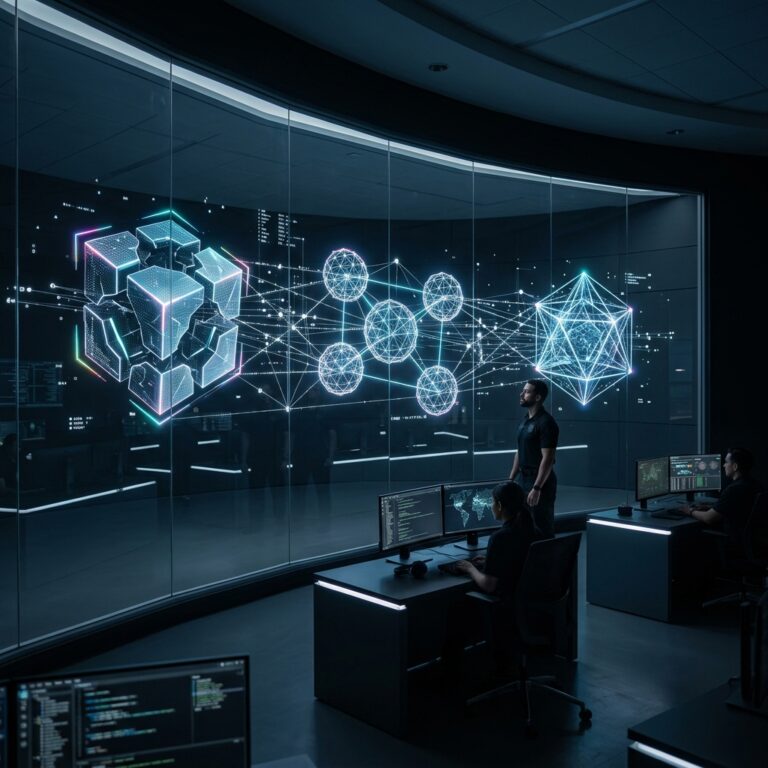
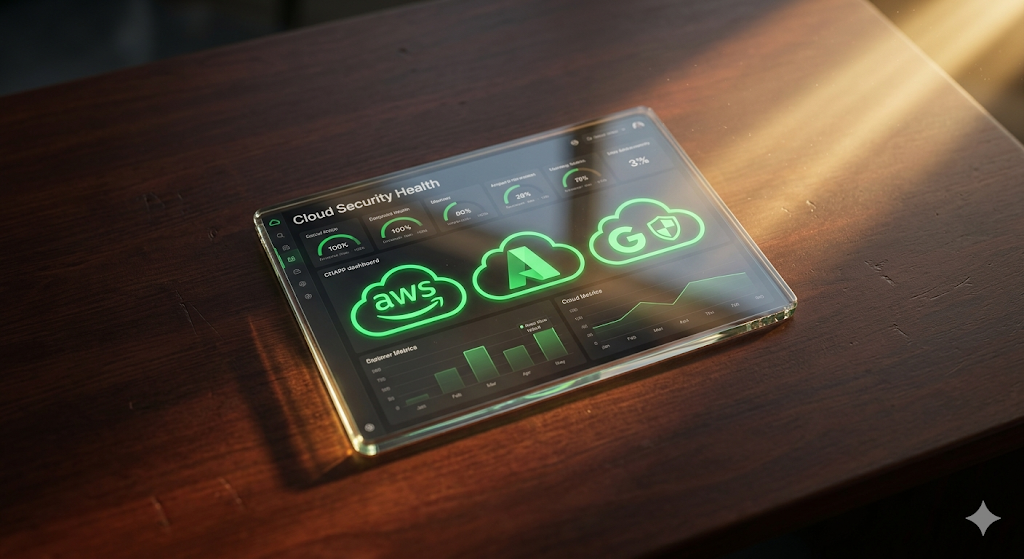
In the vast multi-cloud settings of 2026, the traditional isolated security approach is not just ineffective anymore; it poses a serious threat. Companies are now dealing with not just a few virtual machines but with numerous temporary containers, serverless functions, and interconnected APIs spread across AWS, Azure, and GCP. Fragmented security tools often lead to crucial vulnerabilities being overlooked in the gaps between systems. This complexity has brought about the Cloud-Native Application Protection Platform (CNAPP), a unified security structure aimed at offering a comprehensive overview of the entire cloud lifecycle.
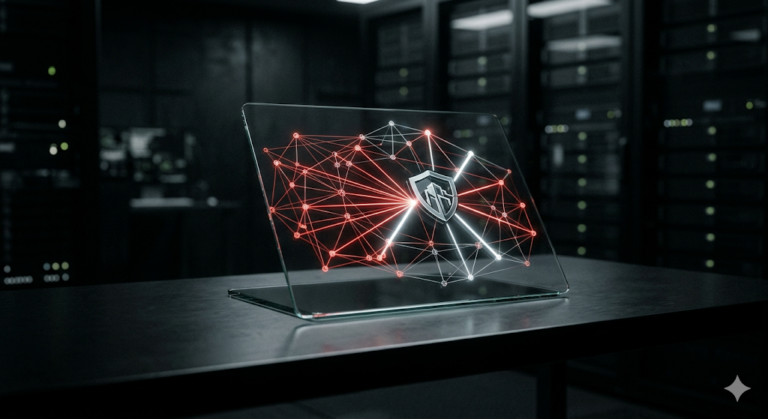
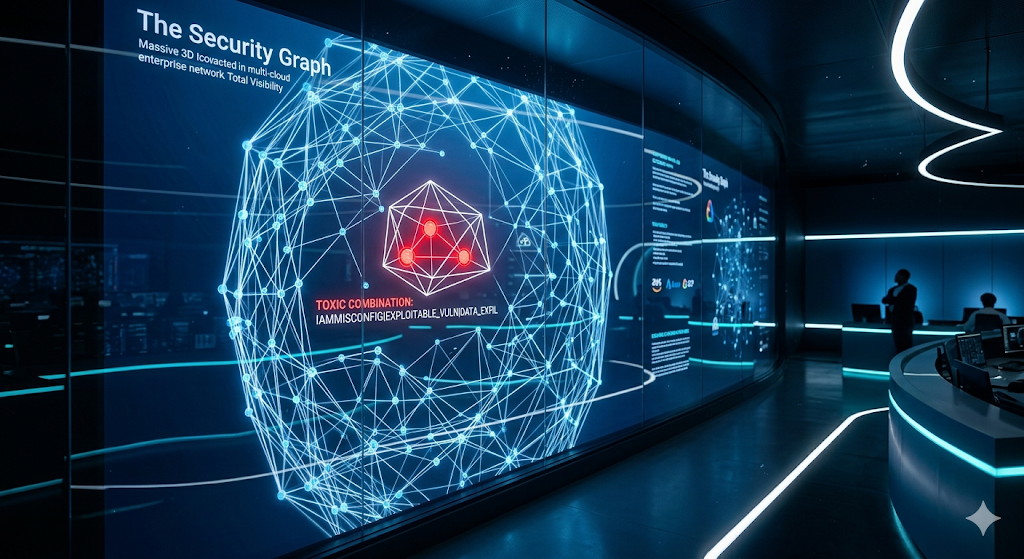
A key advancement in 2026 is the move from detecting “individual bugs” to pinpointing “Toxic Combinations.” A small misconfiguration, an overly privileged IAM role, and a recognized software flaw might not be harmful individually. However, when they coexist on the same publicly accessible asset, they create a “Toxic Combination” that opens a clear path for hackers to access your essential data. This piece delves into the development of CNAPP, the technical workings of graph-based risk assessment, and why having unified visibility is crucial for protecting modern businesses. The main point: in 2026, if your security tools are not communicating with each other, they are not effectively securing you.
1. Beyond CSPM: The Evolution into CNAPP
Enterprises have traditionally utilized CSPM (Cloud Security Posture Management) to identify misconfigurations and CWPP (Cloud Workload Protection Platforms) to safeguard their servers. As of 2026, these tools have combined to form the CNAPP. This contemporary CNAPP amalgamates CSPM, CWPP, and CIEM (Cloud Infrastructure Entitlement Management) into a unified and coherent system.
The efficacy of CNAPP stems from its Contextual Awareness. Instead of presenting a lengthy list of 5,000 unpatched servers, CNAPP employs a “Security Graph” to highlight the 5 servers that are genuinely exposed to the internet and have connections to your customer database. This intelligent prioritization is what elicits top-tier endorsements from leading companies such as Palo Alto Networks (Prisma Cloud) and Wiz.
The Pillars of a 2026 CNAPP:
- Unified Visibility: Seeing every asset across every cloud provider in one dashboard.
- Graph-Based Analysis: Visualizing the attack paths that a hacker would take.
- Shift-Left Integration: Scanning code for vulnerabilities before it is even deployed.
- Agentless Scanning: Using cloud snapshots to scan workloads without installing heavy software.
2. Identifying Toxic Combinations: The New Gold Standard
By 2026, we have progressed past the use of the “CVSS Score.” A vulnerability rated at 9.8 becomes insignificant if the server is inactive or not linked to the network. The true danger lies in what is referred to as the Toxic Combination.
Picture this scenario: an S3 bucket has a small misconfiguration (CSPM alert). Alongside it, an application has a moderate vulnerability (CWPP alert). The service account overseeing the application possesses unnecessary “Admin” privileges (CIEM alert). In the year 2026, a CNAPP points out that these three elements form a clear “Attack Path” to your company’s financial data. The main focus of CNAPP is on the Path rather than the Patch. This strategic approach is a key factor driving the highest CPC in enterprise cybersecurity vendors.
Cloud Security Maturity: 2020 vs. 2026 Standard
| Feature | Legacy Cloud Security (Siloed) | Modern CNAPP (Unified) |
| Visibility | Fragmented (Multiple Tools). | Single Pane of Glass. |
| Risk Analysis | Severity-Based (Scores). | Graph-Based (Attack Paths). |
| Deployment | Agent-Based (High Overhead). | Agentless (Zero Impact). |
| Developer Link | Post-Deployment scanning. | Integrated CI/CD (Shift-Left). |
| TBM Ads Target | Basic Firewalls. | Enterprise CNAPP & CSPM. |
3. The Power of Agentless Scanning
In the past, to secure a cloud workload, it was necessary to install an “agent” on each server, leading to performance issues and causing headaches for DevOps teams. However, in 2026, the new standard is Agentless Scanning.
By utilizing the cloud provider’s native APIs, the CNAPP captures a “Snapshot” of the disk, conducts a scan in a separate environment, and detects vulnerabilities without interacting with the live production system. This “Zero-Impact” security approach enables businesses to expand rapidly while still maintaining complete visibility. Essentially, in 2026, security is no longer a hindrance to development. This enhanced efficiency is a key focus in high-CPC B2B advertisements for Orca Security and CrowdStrike.
4. Shift-Left: Securing the Supply Chain at the Source
In 2026, the most cost-efficient method to safeguard the cloud is by preventing vulnerabilities from entering it, known as “Shift-Left” Security. CNAPP platforms are now seamlessly integrated into developers’ IDE (Integrated Development Environment) and the CI/CD pipeline.
When a developer includes a hardcoded API key or an insecure configuration in their code, the CNAPP detects it immediately. This ensures that by the time the code reaches the cloud, it is already designed to be secure. This proactive approach represents the primary objective of enterprise infrastructure in 2026 and garners interest from top-tier professional advertisements by Snyk and Checkmarx.
Common CNAPP & Cloud Security Questions (FAQ)
Is CSPM dead in 2026?
No, it’s just one component of a bigger entity. CSPM serves as the “base” for CNAPP. While CSPM focuses on your cloud settings, CNAPP takes into consideration the complete application, which includes the code, identity, and data.
How does CNAPP handle “Shadow IT”?
In 2026, CNAPP platforms leverage Cloud Infrastructure Discovery to autonomously examine your complete AWS/Azure setup to detect “Orphaned” or “Shadow” resources that developers created without the security team’s awareness, guaranteeing all assets are properly managed.
What is the “Security Graph”?
Imagine it as a three-dimensional representation of your complete cloud infrastructure. It illustrates the connections between each server, database, and user. In the event of a hacker infiltrating through a single entry point, the Security Graph pinpoints the potential subsequent paths they might take, enabling you to intervene and disrupt their progress before they achieve their objective.
Conclusion
Ensuring the security of the multi-cloud enterprise in 2026 involves having a comprehensive overview. Transitioning from isolated tools to adopting the CNAPP structure enables organizations to eradicate harmful combinations that can result in severe breaches. By utilizing Agentless Scanning, Graph-Based Risk Analysis, and integrating Shift-Left, you can establish a cloud-native defense system that is both flexible and scalable to safeguard the business effectively. In the fast-paced realm of cloud computing, having a holistic view is crucial to maintaining security.
Key Takeaways for 2026:
- Unify Your Tools: Siloed security is a hacker’s best friend.
- Focus on Attack Paths: Stop chasing scores and start breaking paths.
- Go Agentless: Achieve 100% visibility with zero impact on performance.
- Shift-Left: Fix the security flaws before the code is even deployed.
IMPORTANT TECHNICAL & SECURITY DISCLAIMER: The purpose of this article is to offer information and education, but it should not be considered as expert advice in the fields of cybersecurity, IT, or cloud architecture. Implementing CNAPP and CSPM is complex and should be done in collaboration with qualified cloud security experts. Each organization’s cloud setup is different, and the approaches discussed might not be suitable for your particular infrastructure or compliance with local data protection regulations. The creators and distributors of this content cannot be held accountable for any security incidents, data breaches, or financial losses that may occur due to the application of the details provided in this publication.