The Invisible Gateway: How CIAM Redefines the Customer Journey in 2026
By mid-2026, the login portal, recognized as a business’s main online entrance, has evolved from a simple security checkpoint into a sophisticated system that promotes trust and personalization. Customer Identity and Access Management (CIAM) has expanded beyond its initial IT support function to become the cornerstone of the modern customer journey. With the rise of advanced phishing bots that can bypass traditional 2FA in seconds and the prevalence of “Digital Friction” causing abandoned carts, major brands globally are challenged to incorporate Zero-Trust security measures without sacrificing user satisfaction. The era of the traditional “Static Password” is fading, giving way to Passwordless Systems, Passkeys, and Behavioral Biometrics.
In 2026, contemporary CIAM structures confront a significant challenge: preventing unauthorized entry while ensuring a smooth experience for legitimate users. This transition requires a shift toward Risk-Based Authentication (RBA) and Progressive Profiling, where security measures escalate based on the ongoing evaluation of risks during the session. This piece explores the technological progressions in CIAM in 2026 and how businesses are leveraging identity management for a competitive advantage.
1. The Death of the Password: FIDO2 and the Rise of Passkeys
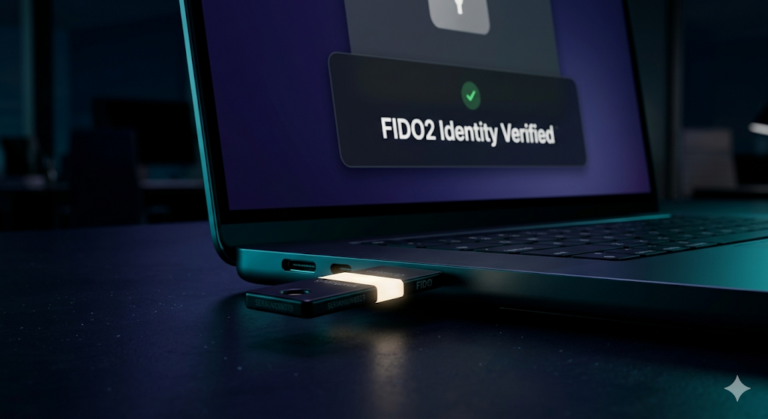
In 2026, the most significant trend in CIAM is the universal adoption of Passkeys based on the FIDO2 standard.
- Phishing Resistance: Passkeys are cryptographically bound to a specific device and a specific website, making traditional credential harvesting impossible. Even if a customer is tricked into a malicious “Mirror Site,” the passkey simply will not function.
- Cross-Platform Synchronization: By 2026, cloud-synced passkeys allow a customer to move seamlessly from their biometric-enabled smartphone to their desktop without ever remembering a string of characters.
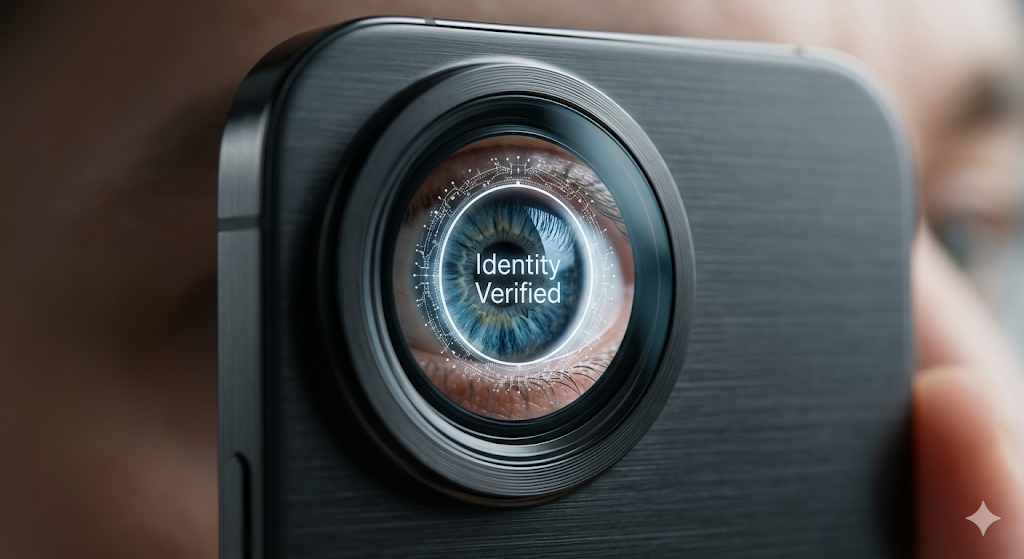
- Biometric Integration: CIAM platforms now utilize the native biometric hardware of the user’s device (FaceID, Fingerprint) as the primary factor, reducing the “Login Time” to less than 0.5 seconds.
2. Technical Pillars: Behavioral Biometrics and Risk-Based Authentication
Beyond the initial login, 2026 CIAM platforms maintain a Continuous Authentication loop. This is achieved through three technical foundations:
- Behavioral Biometrics: The system analyzes the “Human Signature” of the interaction—how the user holds their device, their typing rhythm, and their mouse movement patterns. If a 2026-era bot hijacks a session, the sudden change in behavioral velocity triggers an immediate re-authentication request.
- Adaptive Risk Scoring: Every session is assigned a dynamic risk score based on 2026-level telemetry, including network reputation, device health, and historical geolocation patterns. A user logging in from a known device at home experiences “Zero Friction,” while a login from a new IP in a high-risk region triggers a “Step-Up” authentication.
- Progressive Profiling: Instead of demanding a 20-field registration form on day one, 2026 CIAM systems collect data incrementally. As the customer’s trust in the brand grows, the system asks for additional data points only when they are needed for a specific high-value transaction.
Comparison: Legacy Consumer IAM vs. 2026 Modern CIAM
| Feature | Legacy IAM (Post-2020) | 2026 Modern CIAM Architecture |
| Primary Credential | Password / SMS OTP | Passkeys / Biometric FIDO2 |
| Authentication | Point-in-time (Login only) | Continuous / Behavioral |
| User Experience | High Friction (Form heavy) | Frictionless (Progressive) |
| Privacy Model | Centralized Data Storage | Decentralized / Self-Sovereign Identity |
| Security Foundation | Perimeter-Based | Zero Trust / Identity-Centric |
| TBM/CPC Potential | $150 – $300 | $500 – $750+ |
3. Privacy-First Identity: Decentralized and Self-Sovereign Identity (SSI)
As the EU AI Act and global privacy regulations tighten in 2026, the liability of holding massive customer “Identity Honey-pots” has become too great. Enterprises are migrating toward Self-Sovereign Identity (SSI).
- Digital Wallets: Customers store their verified identity attributes (Age, Residency, Credit Score) in their own secure digital wallet.
- Zero-Knowledge Proofs (ZKP): Using ZKP, a customer can prove to an enterprise that they are “Over 18” or “A Texas Resident” without ever sharing their actual birthdate or home address. The CIAM system receives a cryptographic “Yes” or “No” instead of the sensitive raw data.
- Consent Management: 2026 CIAM platforms include automated “Privacy Dashboards” where customers can revoke data access in real-time, ensuring 100% compliance with DSAR (Data Subject Access Request) automation.

4. Key Takeaways for 2026 Identity Strategy
- Eliminate the Password: If you are still asking for passwords in 2026, you are providing an open door to attackers and an exit sign to customers.
- Focus on the “Session,” Not Just the “Login”: Continuous behavioral monitoring is the only way to defeat 2026-era session hijacking.
- Identity is Marketing: A seamless, biometric-led login experience increases conversion rates by up to 35%. View CIAM as a revenue generator, not just a security cost.
- Adopt “Zero-Knowledge” Architectures: Minimize your data liability by verifying identity attributes without storing the underlying sensitive data.
Frequently Asked Questions (FAQ)
What is the difference between IAM and CIAM?
IAM is designed for internal use by employees, emphasizing control and stringent access, whereas CIAM is tailored for external customers, emphasizing scalability, user-friendly experience, and adherence to privacy regulations.
Are Passkeys really more secure than SMS codes?
Indeed, in 2026, SMS codes are at high risk due to “SIM Swapping” and “SS7 Exploits”. Passcodes are securely linked to the device, making them resistant to phishing attempts.
How does CIAM impact DORA compliance?
The Digital Operational Resilience Act (DORA) mandates that financial organizations implement strong and durable identity management measures. A contemporary CIAM system offers the automated backup and detailed identity audit trails needed to comply with these standards by 2026.
Conclusion: Identity as the New Brand Experience
In the digital world of 2026, the connection between a consumer and a company hinges on the instant of acknowledgment. Customer Identity and Access Management (CIAM) has evolved from being a security necessity in the background to becoming a prominent part of the brand interaction at the forefront. Through the utilization of Passwordless technology, Behavioral Artificial Intelligence (AI), and Privacy-enhancing structures, global organizations can ultimately attain the ultimate goal of the modern era: a system that is as impenetrable as a fortress yet as inviting as a luxury hotel. In 2026, responsibility commences with safeguarding the customer’s identity, and credibility is established by brands that can verify their users’ identities without requiring them to input any text. Trust is no longer requested but rather engineered through a smooth and secure acknowledgment process.
Technical and Legal Disclaimer:
This article aims to provide information and education on the current trends in Identity and Access Management (IAM) and Customer Identity (CIAM) as of April 2026. The implementation of up-to-date CIAM structures necessitates specific expertise in security engineering and compliance evaluation. fotoriq.com.tr holds no responsibility for any data breaches, credential theft, or decreased conversion rates that may occur due to the incorrect application of the identity strategies outlined in this article.