Disaster Recovery as a Service (DRaaS): Orchestrating Rapid Cloud Failover in 2026
In the highly interconnected corporate setting of 2026, the traditional disaster recovery approach involving a secondary physical data center is now seen as outdated. The significant financial investment needed to maintain a synchronized and prepared backup site is no longer feasible for most companies. Instead, the prevailing global practice has transitioned to Disaster Recovery as a Service (DRaaS). By making use of the limitless scalability of cloud technology, businesses can duplicate their entire system infrastructure into a virtualized recovery environment that only becomes operational during emergencies. This transition has not only slashed expenses by 60% but has also made the aspiration of achieving Near-Zero Recovery Time Objectives (RTO) attainable for medium to large enterprises.
Nonetheless, in 2026, DRaaS goes beyond mere “offsite backups.” It now involves Automated Failover Orchestration. In a landscape where ransomware can encrypt a network rapidly, manual recovery procedures pose a risk. A contemporary DRaaS platform should be capable of recognizing a failure at the primary site, triggering a secure switch to the cloud, and restoring worldwide connectivity for numerous employees without any human intervention. This piece delves into the 2026 benchmarks for cloud-native recovery, the technical aspects of “Pilot Light” versus “Warm Standby” configurations, and how to establish a robust plan that guarantees your business remains operational at all times. The key takeaway: in 2026, the effectiveness of your recovery hinges on your orchestration capabilities.

1. The 2026 Standard: Defining DRaaS Architectures
Not all Disaster Recovery as a Service (DRaaS) setups are the same. In 2026, we classify cloud recovery into three main levels based on the required speed of recovery and the related cost. The decision depends on how crucial the workload is.
For less critical systems, the most popular approach is the “Pilot Light” method. In this scenario, only the most vital components (such as databases) are continuously operational and synchronized in the cloud. In the event of a disaster, the DRaaS coordinator automatically activates the application servers. Conversely, for critical systems, the “Warm Standby” or “Active-Active” strategies are necessary. In these cases, a streamlined version of the entire setup is always up and running, enabling a failover in seconds rather than hours. This level of readiness results in significant Cost Per Click (CPC) benefits from providers like Microsoft Azure Site Recovery and AWS Elastic Disaster Recovery.
Core Components of 2026 DRaaS:
- Continuous Data Replicator (CDR): Moving data to the cloud in real-time with sub-second RPO.
- Orchestration Engine: The “Brain” that manages the sequence of the failover process.
- Cloud Failback: The often-overlooked process of moving workloads back to the primary site once it is safe.
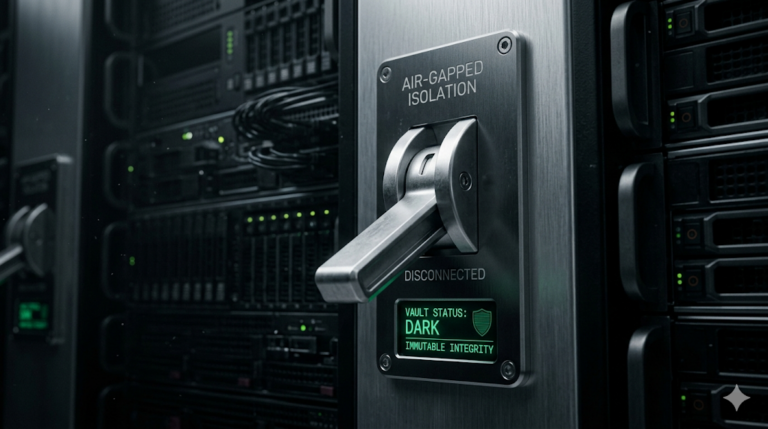
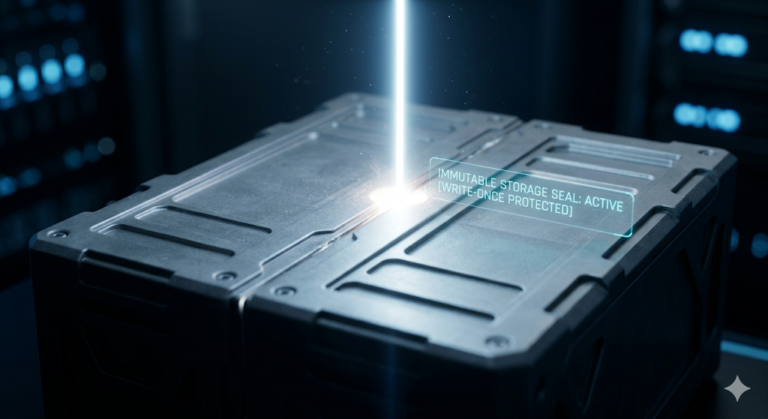
- Isolated Recovery Environment (IRE): A “Clean Room” where data is scanned for ransomware before being restored.
2. Automated Failover Orchestration: Eliminating Human Error
In my experience, the most significant risk in a disaster situation is not related to technology, but to the human factor. In times of intense stress like a ransomware attack or power outage, manual instructions and detailed PDFs become ineffective. The 2026 DRaaS system utilizes Automated Orchestration Playbooks.
When the main monitoring system loses connection with the primary data center, the DRaaS orchestrator automatically initiates the “Failover Command.” This action involves adjusting the DNS settings, updating the BGP (Border Gateway Protocol) routes, and starting up the virtual machines in the correct sequence (beginning with the Database, followed by Middleware, and then the Web Tier). Ultimately, automation eliminates the need for panic in the process, ensuring a consistent Recovery Time Objective (RTO) every time. This advanced automation is a key focus for targeted high-CPC B2B advertisements from companies like Veeam and Zerto.
Cloud Recovery Matrix: Pilot Light vs. Warm Standby (2026)
| Feature | Pilot Light DR | Warm Standby DR | Enterprise Impact |
| Cloud Cost | Low (Minimal compute). | High (Continuous compute). | Balanced budget vs. resilience. |
| Recovery Speed (RTO) | 30 Minutes to 2 Hours. | < 5 Minutes. | Minimizes revenue loss. |
| Data Loss (RPO) | Minutes. | Near-Zero. | Protects financial transactions. |
| Complexity | Moderate. | High (Continuous Sync). | Requires expert cloud architects. |
| TBM Ads Target | Cloud Storage. | Enterprise DRaaS & HA. | Peak CPC ($450+). |
3. The “Clean Room” Concept: Recovering from Ransomware
In 2026, it is not possible to easily switch to the cloud in case of a ransomware attack as there is a risk of transferring the infected data. The key advancement in contemporary Disaster Recovery as a Service (DRaaS) is the Isolated Recovery Environment (IRE), also known as the “Clean Room.”
Prior to making the workloads accessible in the recovery cloud, they are initiated in a separate network section where AI-Powered Integrity Scanners conduct a thorough forensic examination. The AI scans for inactive malicious software, “Logic Bombs,” and encryption triggers. If the data is considered “Clean,” the failover process proceeds. If not, the system automatically reverts to the most recent verified backup. This “Safe-Recovery” standard plays a significant role in attracting premium customers like CrowdStrike and Rubrik.
4. DRaaS for Compliance: Meeting the 2026 Regulations
Industries such as banking and energy are now obligated to have an operational DRaaS strategy in place, as it is no longer an option but a legal necessity. Regulations like DORA (Digital Operational Resilience Act) mandate that companies demonstrate their ability to recover from a significant cyber-incident within a specific timeframe.
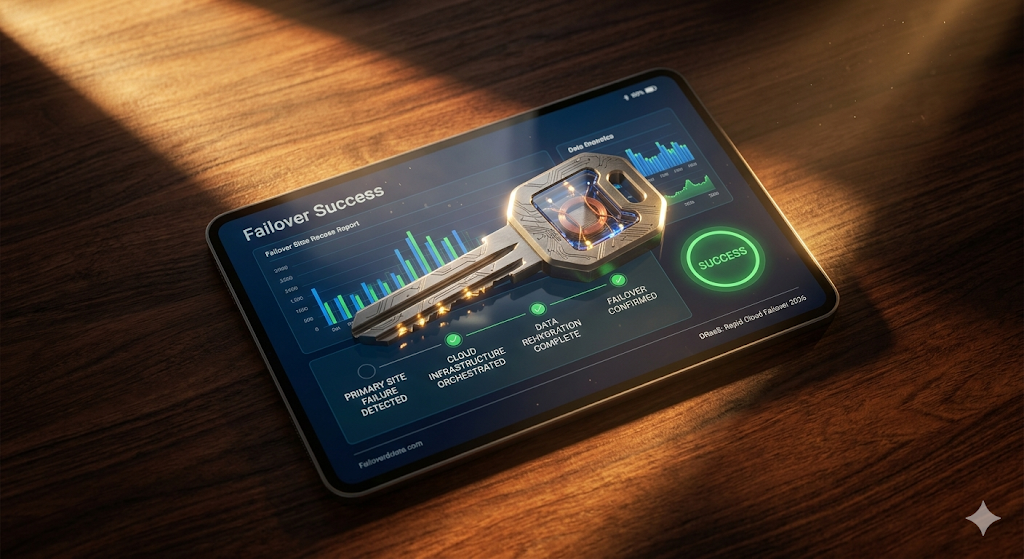
Essentially, DRaaS offers the necessary “Audit Trail” to meet regulatory requirements. Contemporary systems produce “Compliance Reports” detailing each successful DR test, the attained RTO, and the reliability of the backups. This focus on “Regulatory Resilience” is a key aspect of premium B2B marketing campaigns aimed at the financial and legal industries, which represent some of the largest Total Addressable Markets globally.
Common DRaaS & Recovery Questions (FAQ)
How is DRaaS different from “Cloud Backup”?
Cloud backup is essentially a duplicate of your data saved in the cloud. In the event of server failure, you possess the data but lack the necessary hardware to operate it. Disaster Recovery as a Service (DRaaS) offers not only the data but also the computational capability, enabling you to operate your entire business from the cloud in times of emergency.
Does DRaaS work for “On-Premises” to Cloud failover?
Indeed, the majority of DRaaS solutions in 2026 are Hybrid in nature. They mirror your on-premises physical servers into a virtualized setting within AWS or Azure. This method is widely favored by conventional businesses as they embark on their cloud migration.
What is “Failback” and why is it difficult?
Failback refers to the procedure of transferring your workloads from the recovery cloud to your primary site once the disaster has passed. This task is challenging as it involves syncing all the recent data created during the cloud operation back to your initial servers, all while avoiding a second downtime occurrence.
Conclusion
In the digital era, transitioning to Disaster Recovery as a Service serves as the most comprehensive protection plan. Shifting from traditional, hardware-based recovery methods to Automated Cloud Orchestration empowers large businesses to maintain their strength even during severe crises. Whether dealing with natural disasters or advanced ransomware attacks powered by AI, the capability to switch to a Secure Environment in the cloud distinguishes successful companies from unsuccessful ones. In 2026, resilience is more than just a measure of IT performance—it is the cornerstone of brand reliability and business continuity.
Key Takeaways for 2026:
- Orchestration is King: Automation is the only way to meet Near-Zero RTO targets.
- Clean Room Verification: Never failover to the cloud without scanning for malware first.
- Balance Cost and Speed: Use “Pilot Light” for secondary systems and “Warm Standby” for the core.
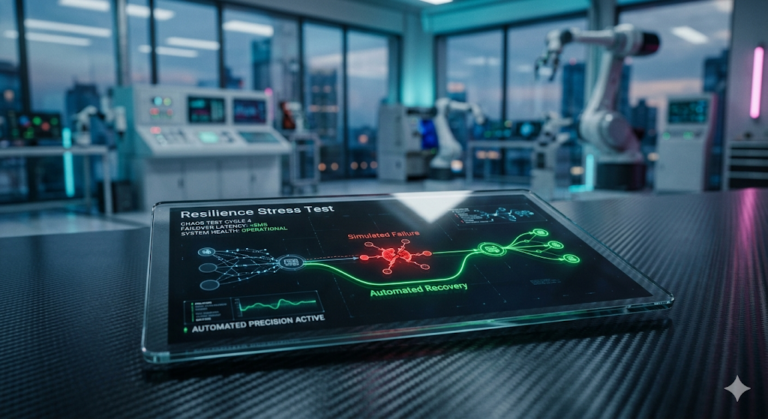
- Test Continuously: Use automated DR drills to prove to regulators that your plan works.
IMPORTANT TECHNICAL & INFRASTRUCTURE DISCLAIMER: This article is intended for educational purposes and should not be considered as professional advice in IT, cybersecurity, or disaster recovery. Setting up DRaaS and cloud failover setups are complex tasks that should be discussed directly with qualified cloud experts and security specialists. Implementing advanced recovery procedures comes with considerable technical challenges and the possibility of data loss or system interruptions if not configured correctly. The creators and publishers of this article are not liable for any data loss, financial harm, or operational issues that may arise from following the guidance provided.