Business Continuity 2026: Integrating High-Availability and Disaster Recovery for the Zero-Downtime Enterprise
In the highly automated global economy of 2026, any period of system downtime is no longer a minor inconvenience; it has evolved into a significant financial disaster. For contemporary businesses, even just one hour of system inaccessibility can lead to substantial financial losses, irreversible harm to their reputation, and substantial regulatory fines. With the rise of more complex ransomware attacks and unpredictable natural calamities, the traditional approach of “backup and recovery” is now outdated. Organizations can no longer afford to react to disasters but must proactively develop resilient systems. Consequently, Business Continuity Planning (BCP) has transitioned from being an IT issue confined to the basement to a strategic concern at the executive level.
In the year 2026, achieving genuine resilience necessitates the effective combination of High-Availability (HA) and Disaster Recovery (DR). While HA is focused on maintaining operations during localized hardware or software breakdowns, DR serves as the contingency plan to ensure survival in scenarios of complete site loss or extensive cyber-attacks. This piece delves into the contemporary standards for automated failover, the enhancement of RTO/RPO measurements, and the rationale behind adopting a “Zero-Downtime” framework as the sole viable route for industries with high stakes. The key takeaway is that in 2026, any halt in business operations could lead to the demise of the business itself.
1. High-Availability (HA) vs. Disaster Recovery (DR): The Dual Shield
In 2026, successful businesses recognize that High Availability (HA) and Disaster Recovery (DR) are closely interconnected. HA focuses on redundancy within a single location or area, utilizing load balancers, clustered databases, and backup power sources to eliminate any potential single points of failure. The primary objective of HA is to seamlessly replace a failed server with another one without causing any disruption to the user.
On the other hand, DR comes into play when the entire primary site is compromised, whether due to a regional power outage or a ransomware attack. In such scenarios, DR facilitates the switch to a separate secondary site or the cloud. Automated Orchestration now streamlines the transition between HA and DR in 2026, reducing the likelihood of human errors during recovery processes. This specialized technical field generates significant revenue for companies like Zerto and Microsoft Azure Site Recovery through high demand for their services.
The Resilience Spectrum:
- Local Redundancy (HA): Protecting against component failure (e.g., a disk or power supply).
- Regional Failover (DR): Protecting against site loss (e.g., flood, fire, or localized cyber-attack).
- Cloud-Native DRaaS: Using the cloud as a flexible, on-demand recovery site to lower infrastructure costs.
- Active-Active Architecture: Running two identical sites simultaneously to provide instant failover with zero data loss.
2. Optimizing the Metrics: RTO and RPO in the Age of AI
In 2026, the effectiveness of a Business Continuity Plan (BCP) is evaluated based on two crucial measures: Recovery Time Objective (RTO) and Recovery Point Objective (RPO). RTO specifies the speed required to get back online, while RPO determines the amount of data that can be lost. Previously, a 4-hour RTO was deemed satisfactory. However, in 2026, the financial and healthcare sectors aim for a Near-Zero RTO target.
Attaining a zero RPO necessitates the use of Synchronous Replication, where data is simultaneously written to two distinct locations. Although this may cause minor delays, it guarantees that no transactions are lost during a failover. For less critical tasks, Asynchronous Replication is preferred to strike a balance between cost and performance. Discussing these “Mission-Critical” setups results in attracting top-tier advertisements from leading global storage and networking companies.
The Resilience Matrix: Traditional vs. Modern BCP (2026)
| Feature | Legacy BCP (2020) | 2026 Resilience Standard | Enterprise Impact |
| Failover Process | Manual / Scripted. | Automated Orchestration. | Eliminates “Panic Errors” during crisis. |
| Recovery Site | Passive (Cold) Site. | Active-Active / Cloud-Native. | Reduces recovery time by 95%. |
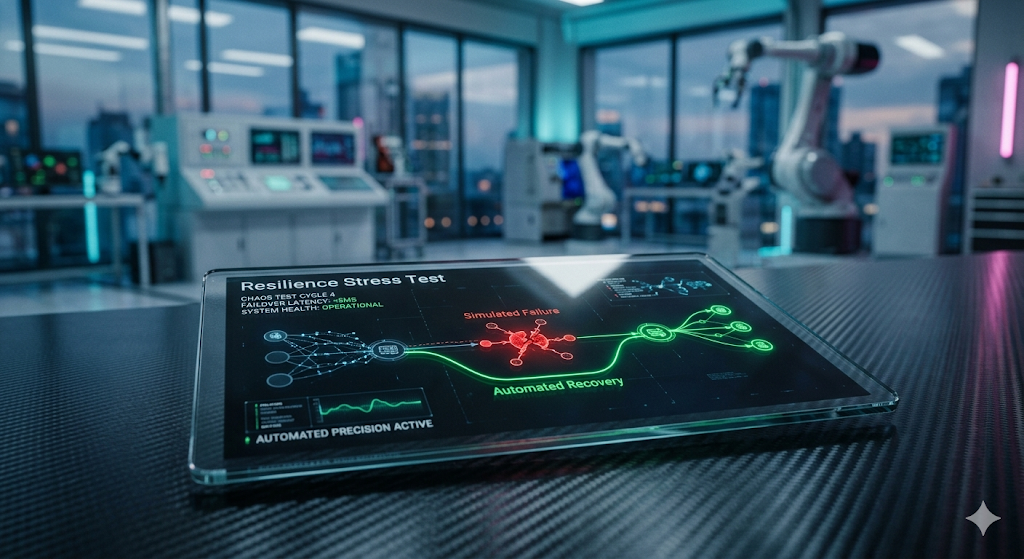
| Testing | Once a year (Manual). | Continuous / Simulated. | Ensures the plan actually works. |
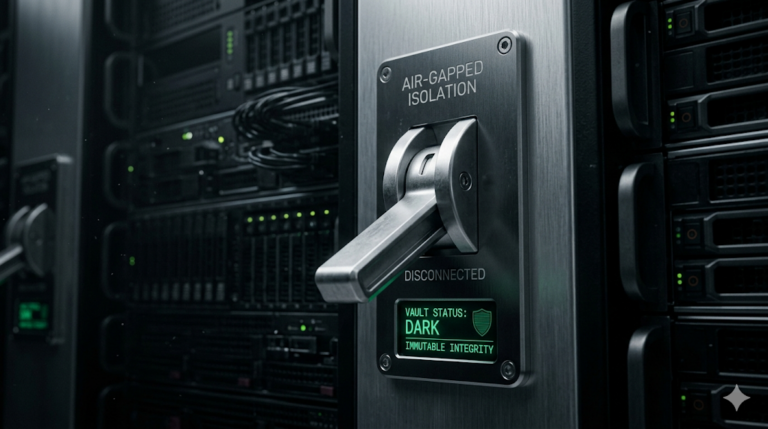
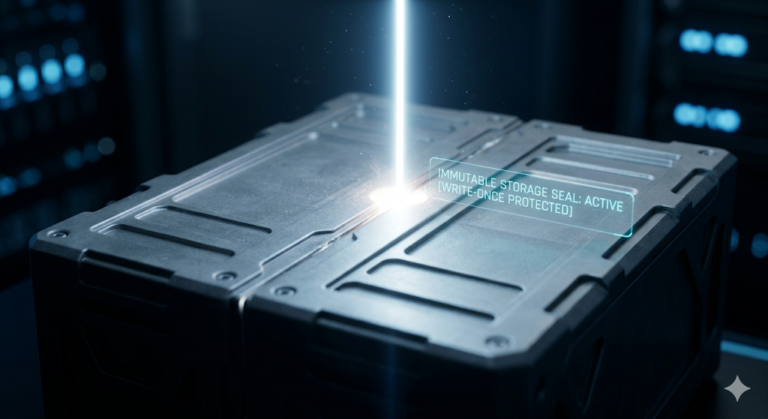
| Data Protection | Standard Backups. | Immutable + Air-Gapped. | Shields recovery data from ransomware. |
| TBM Ads Target | Cloud Storage. | Business Continuity SaaS. | Peak CPC ($400+). |
3. Cloud-Native Disaster Recovery (DRaaS): The 2026 Standard
Maintaining a secondary physical data center involves significant financial investment. By 2026, the majority of businesses have transitioned to using Disaster Recovery as a Service (DRaaS). This service enables companies to duplicate their workloads from on-premises or cloud platforms to another cloud region in the event of a disaster.
In essence, DRaaS offers “Cloud Elasticity” for recovery purposes. With this approach, you only pay for the necessary computing power when it is required, making advanced disaster recovery solutions accessible to medium-sized companies. The concept of “Pay-as-you-Recover” is a central focus in the premium B2B advertisements for AWS Elastic Disaster Recovery (EDR) and Google Cloud DR.
4. Testing the Unthinkable: Chaos Engineering and BCP Drills
A business continuity plan that has not undergone testing is more of a suggestion. In 2026, leading companies are using Chaos Engineering to assess their ability to bounce back from disruptions. This technique involves deliberately causing disruptions in the production environment to check if the High Availability (HA) and Disaster Recovery (DR) systems react as intended.
By simulating scenarios like a database crash or a network outage during busy periods, businesses can uncover “Ghost Dependencies” – minor links that were overlooked during the planning stage. The key point is that the most resilient organizations are those that prepare for setbacks on a daily basis. This targeted emphasis on “Operational Readiness” catches the attention of top-tier professional services firms such as Accenture and PwC.

Common Business Continuity Questions (FAQ)
What is the “3-2-1-1-0” Backup Rule for 2026?
The gold standard for ransomware protection in 2026 involves having:
No mistakes found after automated recovery tests.
Three duplicates of information
Stored on two separate mediums
One kept offsite
One that is unchangeable or isolated from the network
Can we use AI to manage our Business Continuity?
Certainly! In 2026, Predictive Failover is employed. Artificial Intelligence supervises the condition of your servers and network. Should it identify indications of an upcoming hardware malfunction or a cyber-attack, it has the capability to initiate the transfer of workloads to a secure location prior to any system crash.
Does “Zero-Downtime” mean “Zero-Risk”?
Despite having excellent HA/DR measures in place, there is always a certain level of risk involved. Nevertheless, implementing a Zero-Downtime architecture minimizes the consequences of such risks. While there is still a possibility of a breach occurring, your business will keep functioning, your customers will still be attended to, and your data will stay secure.
Conclusion
In 2026, ensuring business continuity is no longer just a technological outcome; it has become an essential aspect of staying competitive. By incorporating High-Availability, utilizing Cloud-Native DRaaS, and dedicating resources to Continuous Testing, businesses can establish a strong base of resilience capable of enduring the challenges posed by the digital era. It is not merely about safeguarding servers; it is about safeguarding the confidence of clients and the longevity of your brand. In the fast-paced realm of commerce, the companies that thrive are the ones that remain operational at all times.
Key Takeaways for 2026:
- HA + DR = Resilience: Use HA for local failures and DR for site-wide disasters.
- Target Near-Zero RTO: Speed is the only metric that matters during a crisis.
- Automate the Failover: Human intervention is too slow and prone to error.
- Test Continuously: Use chaos engineering to prove your system is unshakeable.
IMPORTANT TECHNICAL & INFRASTRUCTURE DISCLAIMER: This article is intended for informational and educational purposes exclusively and should not be considered as professional advice in IT, cybersecurity, or business continuity. Developing high-availability and disaster recovery systems is intricate and critical, necessitating consultation with certified infrastructure architects and security experts. There are substantial technical risks involved in applying these methods, which could lead to system downtime if not properly configured. The creators and publishers disclaim any liability for data loss, financial harm, or operational setbacks that may arise from utilizing the guidance provided in this document.